


Michelin’s ceremony at the Andermatt Concert Hall on 2 November compressed years of work into a single promotion: The Japanese Restaurant at The Chedi Andermatt moved from two Stars to three. It is the first restaurant in Andermatt to reach that level and the fifth three-Star restaurant in Switzerland’s 2026 selection.
The announcement is best read as a progression, not a sudden reinvention. The restaurant already held one Star when twin chefs Dominik Sato and Fabio Toffolon took charge in May 2023, gained its second five months later, and now completes the ascent. The Chedi’s two Michelin Keys and Andermatt’s four Starred restaurants add context, but they are separate distinctions—not a combined score for one resort.
A third Star at the end of a visible progression
Switzerland’s 2026 Guide lists 133 Starred restaurants: 106 with one Star, 22 with two and five with three. The four restaurants already at the summit retained their position; The Japanese is the only addition to that top tier. Michelin describes three Stars as exceptional cooking worth a special journey, judged through the same five criteria used throughout the Guide.
That promotion is the new fact. The Japanese is not a new opening, and its chefs are not new appointments. The distinction recognises a restaurant whose trajectory had already become visible before this year’s ceremony.
The twins arrived together—and kept the concept
Sato and Toffolon began their joint mandate in May 2023, leading both The Japanese Restaurant in the hotel and The Japanese at Gütsch. At that point, the valley restaurant held one Michelin Star. In October 2023 it gained a second, five months after the twins arrived; on 2 November 2026 came the third. Michelin describes their cooking through Japanese influences and classic techniques.
Four Starred restaurants in one Alpine municipality
The full 2026 list gives Andermatt one restaurant at every level of the Guide: The Japanese with three Stars, IGNIV by Andreas Caminada with two, and both GÜTSCH by Markus Neff and The Japanese at Gütsch with one each. Four distinctions in one municipality do not belong to a single operator or concept, but their concentration changes the destination’s gastronomic scale.
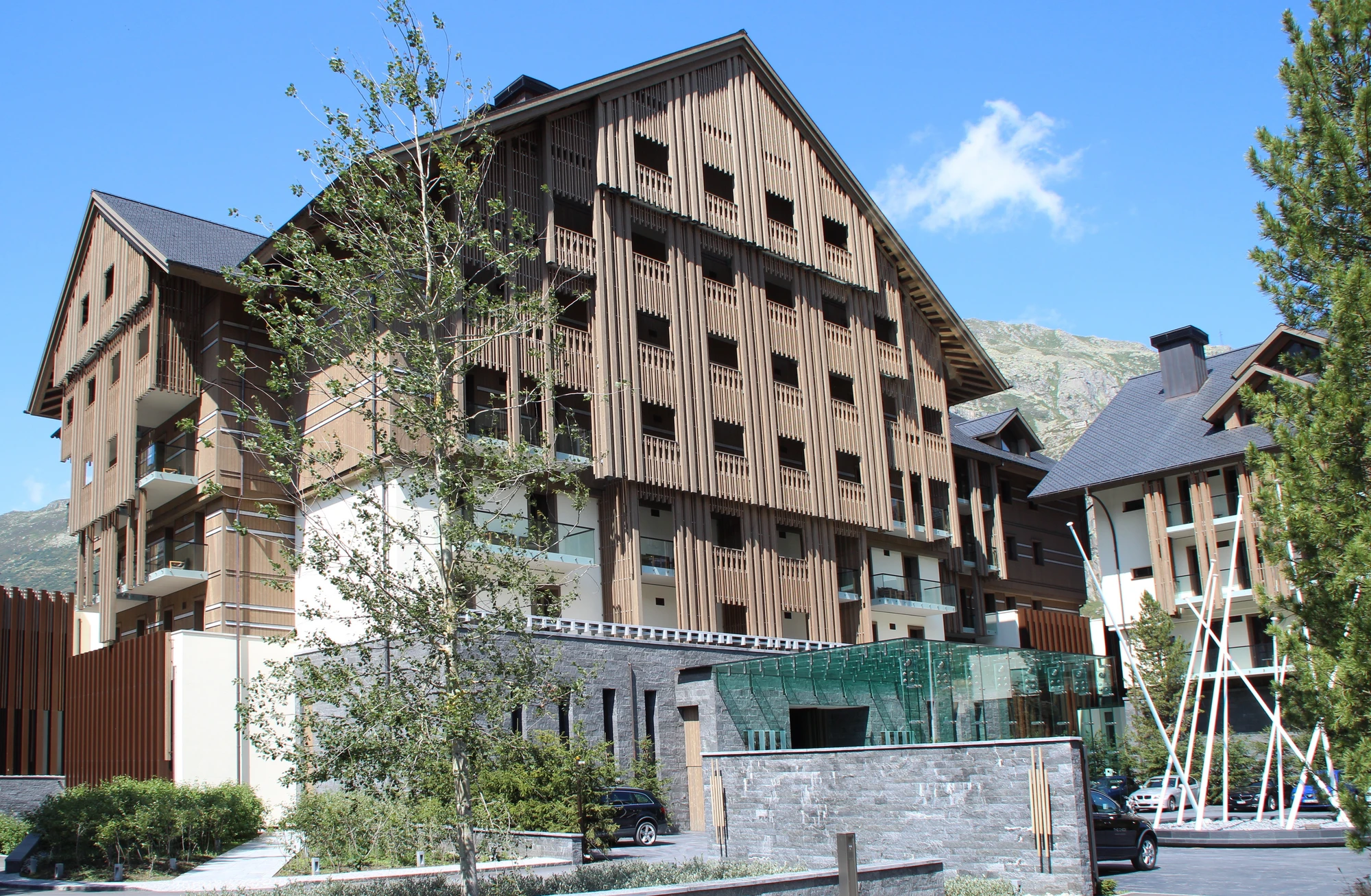
The two Japanese restaurants linked to The Chedi also occupy different settings. The valley dining room sits inside the hotel; its sister address at Gütsch is positioned at 2,344 metres. The shared leadership matters, yet Michelin assesses and lists the restaurants separately.
Three Stars and two Keys are not one award
Michelin Stars evaluate the cooking alone. Michelin Keys assess the hotel stay more broadly, including design, service, character and value. The Chedi Andermatt holds two Keys, while The Japanese now holds three Stars; the two results can reinforce the same destination narrative, but they cannot be added together or treated as a single rating.
The hotel preceded the headline
The Chedi opened in December 2013, long before this promotion. Andermatt Swiss Alps places the development cost of the hotel complex at roughly CHF 300 million, explicitly including the adjacent residences. It is therefore a measure of the wider property, not a restaurant budget and not an amount linked to the third Star.
That boundary matters. The award concerns a kitchen and its consistency; the hotel, residences and resort infrastructure explain the setting in which the restaurant operates. Conflating them would turn a precisely defined culinary distinction into an imprecise endorsement of the entire development.
What changed on 2 November
The classification changed. Michelin did not announce a new dining room, a new menu, a capacity increase or a price revision. Nor did it present the chefs as new arrivals. Because the Guide reassesses restaurants annually, the result records Michelin’s judgement at a defined moment; any future effect on bookings or local demand remains an inference until data exist.
A destination built in layers
Andermatt’s new summit is more useful when its layers stay distinct. A hotel opened in 2013, two chefs appointed together in 2023, a second Star earned that autumn and a third awarded in 2026 form a chronology—not an overnight miracle. The promotion makes The Japanese a Swiss reference and gives Andermatt a rare concentration of Starred restaurants. Its real significance lies in that patient accumulation, not in turning one Michelin decision into a claim about everything around it.