


At the We’re Smart Awards in Bruges on 26 October, Belgium did more than retain two places in the global top ten. Vrijmoed held the fifth position it already occupied in 2025, while Humus x Hortense moved from tenth to ninth. Eleven more addresses complete the picture: thirteen Belgian restaurants appear in the 2026 top 100.
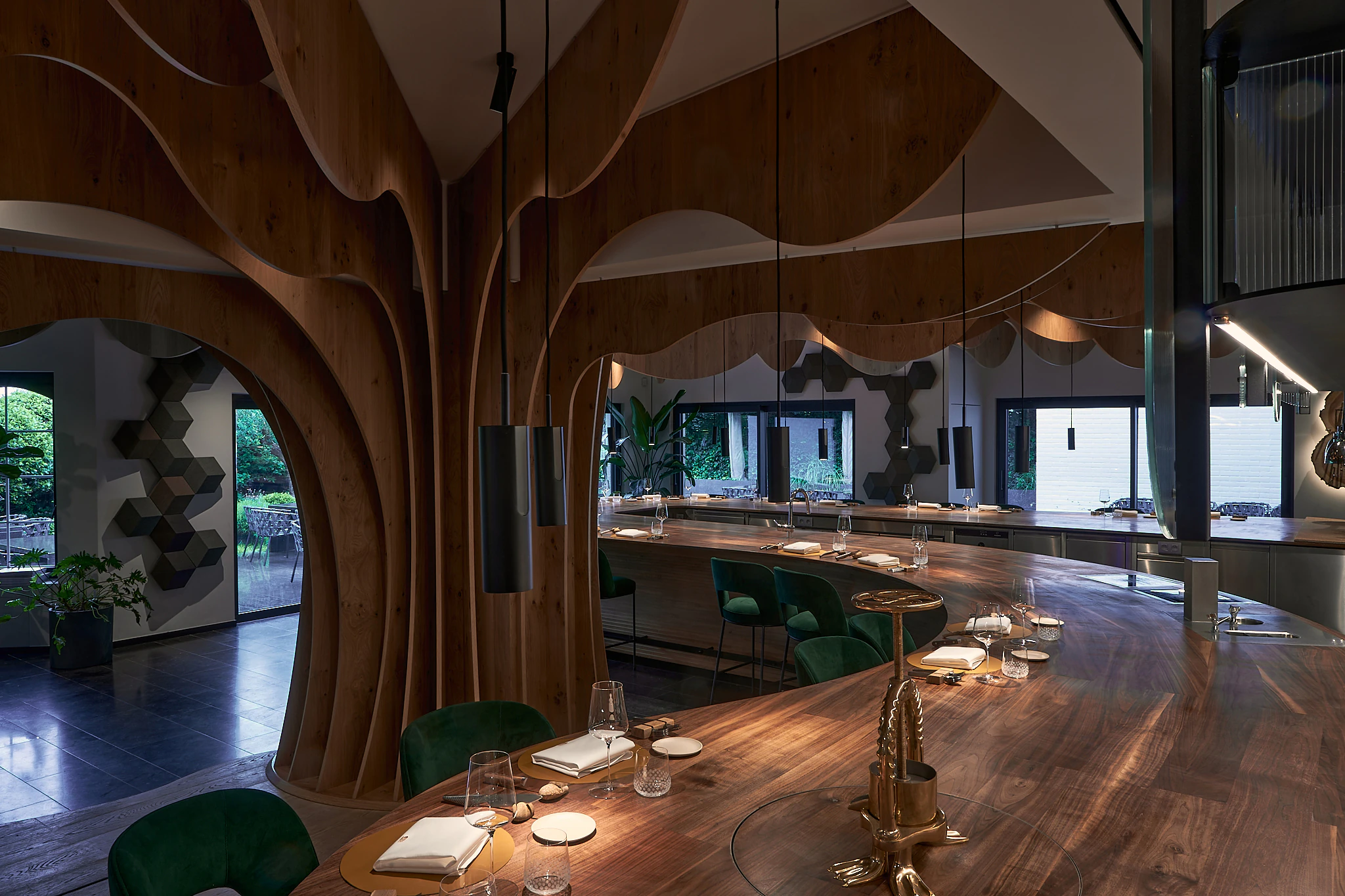
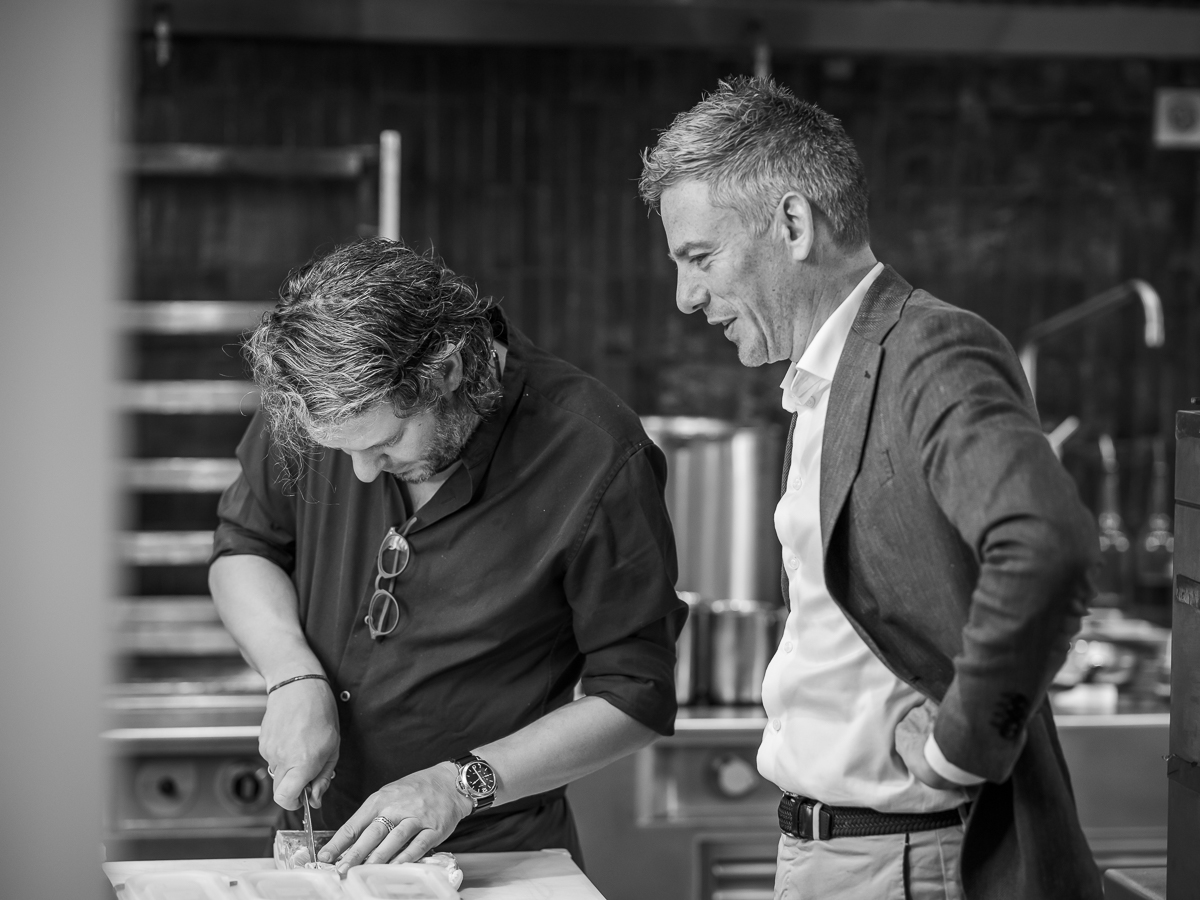
The result tells less of a sudden victory than of a dining scene that has reached maturity. At Michaël Vrijmoed’s Ghent restaurant, a dedicated Puur Groenten menu gives vegetables the stature of protagonists within a broader cuisine. At Humus x Hortense in Ixelles, Nicolas Decloedt and Caroline Baerten shape botanical gastronomy around micro-seasons and a low-waste approach. The same award brings them together; everything else reveals two deeply individual houses.
Vrijmoed, the authority of staying fifth
Vrijmoed’s result is a story of permanence rather than sudden ascent. The Ghent restaurant was already fifth in the 2025 edition and holds that position in 2026. It also retains two Michelin stars in the current Belgium and Luxembourg selection. The two distinctions look at restaurants through different lenses, yet their overlap places Michaël Vrijmoed’s work among the country’s most firmly established gastronomic references.
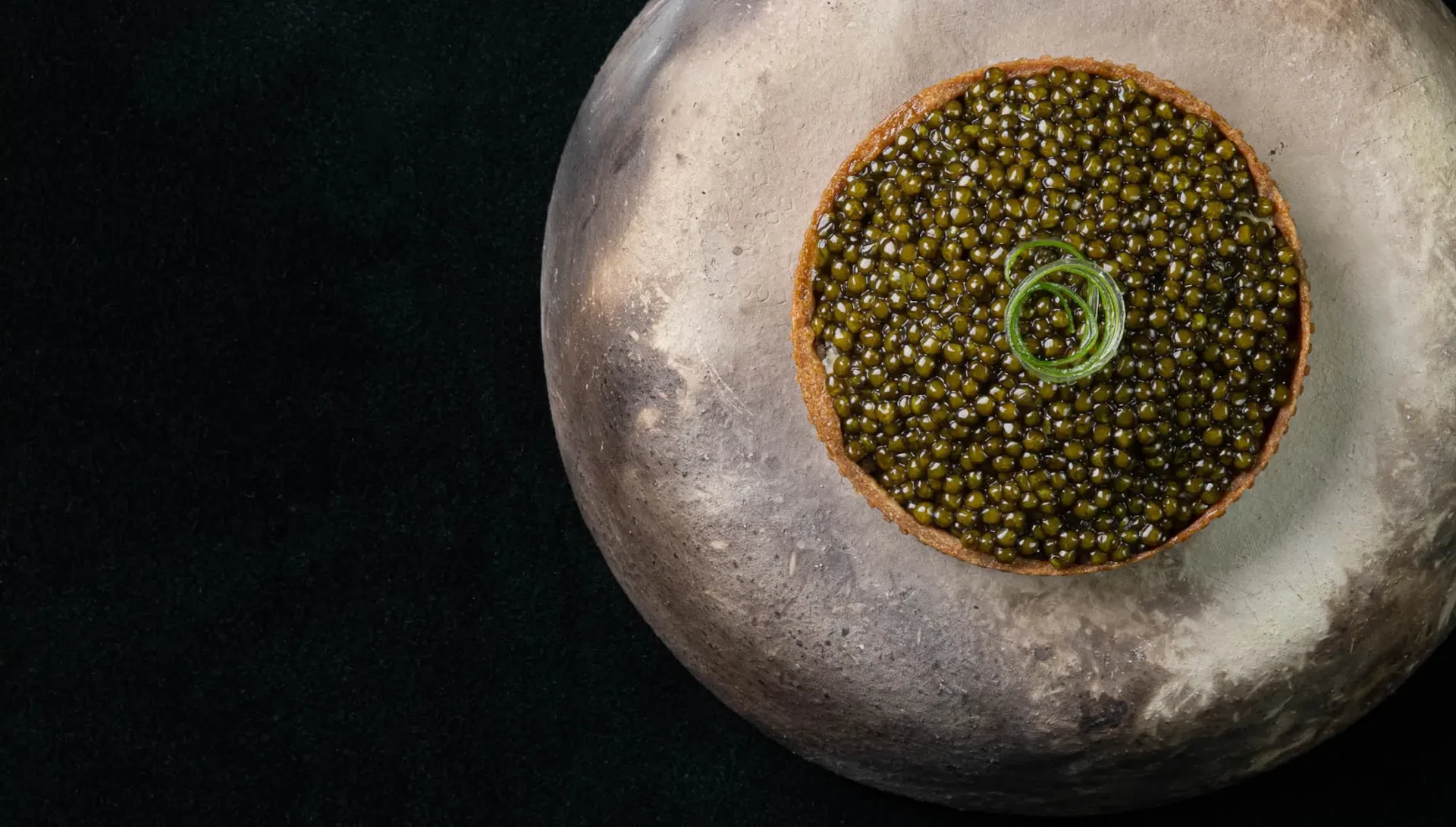
Within Vrijmoed’s broader cuisine, the dedicated Puur Groenten menu treats vegetables as protagonists in their own right. That distinction matters: Vrijmoed does not reduce its identity to a dietary label. It gives plant ingredients enough presence, technique and intention to carry a complete menu.
In a culture of rankings that naturally draws attention to movement, holding fifth place for a second year can be as revealing as climbing. Vrijmoed does not need a dramatic change of position to remain visible. Its result records continuity: a vegetable-led proposition recognised across consecutive editions without becoming the restaurant’s only possible definition.
Humus x Hortense moves forward on its own terms
Humus x Hortense brings a different energy to the Belgian top ten. The Ixelles restaurant rises from tenth place in 2025 to ninth in 2026 and retains one Michelin star. Nicolas Decloedt and Caroline Baerten have organised the house around botanical gastronomy, micro-seasons and a low-waste approach, giving the restaurant a language that extends from the plate to the wider way it operates.
Where Vrijmoed gives a vegetable menu its place within a broader repertoire, Humus x Hortense organises its culinary language around the botanical world. Plants are not an alternative added to the experience: they determine its progression, composition and imagination. That difference gives the Belgian result its interest. The top ten recognises two houses that have built distinct identities from a shared priority.
Humus x Hortense’s second consecutive top-ten appearance confirms sustained visibility for a restaurant with an unusually specific project. Moving from tenth to ninth is part of that story, but the stronger point is the continuity of a botanical identity now recognised across successive editions.
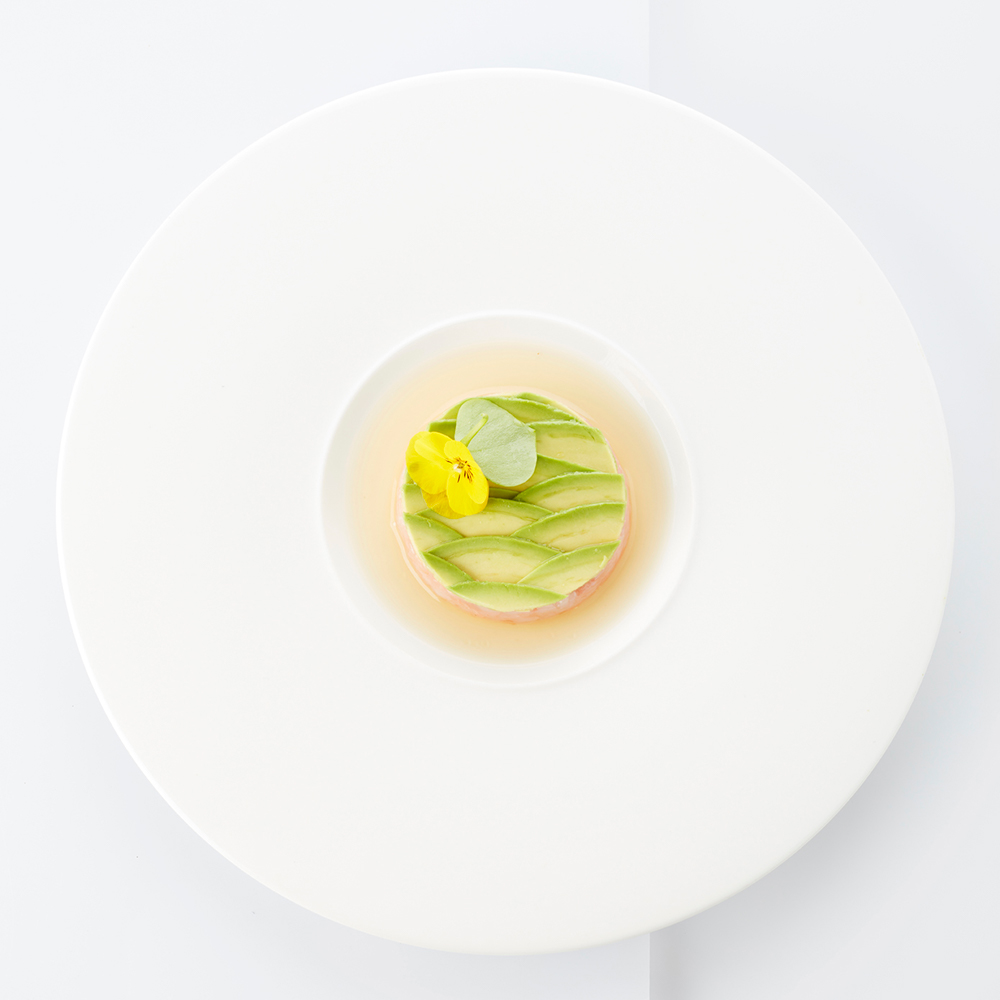
At Humus x Hortense, roots, leaves, flowers and sauces shape the architecture of the plate rather than merely decorating it. The result is not a copy of Vrijmoed’s model, but another answer to the same question — how much of a gastronomic experience can begin with the plant itself?
One award, two ideas of distinction
We’re Smart focuses specifically on the place given to vegetables and fruit, alongside flavour, creativity, technique and environmental practice. It therefore does not answer exactly the same question as Michelin, nor does it need to. Its value here is to place two very different restaurants within the same conversation without pretending that they offer the same experience.
Vrijmoed builds authority through a house whose vegetable menu sits within a wider cuisine. Humus x Hortense makes botanical thinking the organising grammar of the restaurant. One distinction can recognise both because the common ground is structural, not stylistic: vegetables carry the composition and narrative of the meal rather than serving as a luxurious afterthought.
Thirteen restaurants give the Belgian result depth
The national story does not stop in Ghent and Brussels. De Vijf Seizoenen is sixteenth and L’Air du Temps seventeenth, giving Belgium four restaurants in the first seventeen. Zilte follows in thirtieth place, then Arabelle Meirlaen (33), ’t Aards Paradijs (36), Patrick Devos (37), Le Vieux Château (62), Hofke van Bazel (63), Neon (76), De Poorterij (77) and Cécila (89).
Thirteen entries across different regions make the ranking more than a duel between two headline names. They place established Michelin-starred houses, a specialist botanical restaurant and regional addresses within the same Belgian landscape. The list does not reveal one national formula; it shows a field broad enough to support several dining rooms, price narratives and culinary identities.
An award that opens a route
For diners, the 2026 result is most compelling as an itinerary. Vrijmoed offers the authority of a house holding its place; Humus x Hortense brings the momentum of a restaurant moving forward with a highly individual project. Around them, eleven more addresses turn the Belgian showing into a route through several expressions of vegetable-led gastronomy.
That is the more lasting story behind the numbers announced in Bruges: not one sudden triumph, but continuity, contrast and depth. We’re Smart gives this scene international visibility; the restaurants give that recognition its substance. Two houses in the top ten, thirteen in the top 100, and no single way to make vegetables carry the ambition of a gastronomic experience.