


Gert De Mangeleer has been named Gault&Millau Belgium’s Chef of the Year 2027. Announced in Brussels on 9 November, the distinction recognises the chef behind Hertog Jan at Botanic — but it also reaches beyond a single dining room. The guide explicitly points to the different formats he has developed with Joachim Boudens, from fine dining to brasserie and fast-casual concepts.
That makes the award more revealing than a simple return to the summit. De Mangeleer and Boudens voluntarily closed their three-MICHELIN-starred Hertog Jan in 2018, then rebuilt the name around a 26-seat Antwerp flagship and a broader restaurant group. Gault&Millau’s decision suggests that, in contemporary Belgian gastronomy, influence can now be measured across a portfolio without lowering the standard at its centre.
An award for a chef, not the top score in the guide
Gault&Millau unveiled the 24th edition of its Belgian guide at Brussels Expo. The publication lists 1,311 restaurants across 722 pages, including 132 new addresses and 160 restaurants whose score has risen. Within that wider release, De Mangeleer received the individual title of Chef of the Year 2027.
The distinction should not be confused with first place in a numerical ranking. Hertog Jan at Botanic is rated 18/20 in the new guide, level with Karen Torosyan’s Bozar; Tim Boury’s restaurant in Roeselare stands alone at 19/20. The award is therefore an editorial judgement about a chef’s work and reach, rather than a disguised extra point.
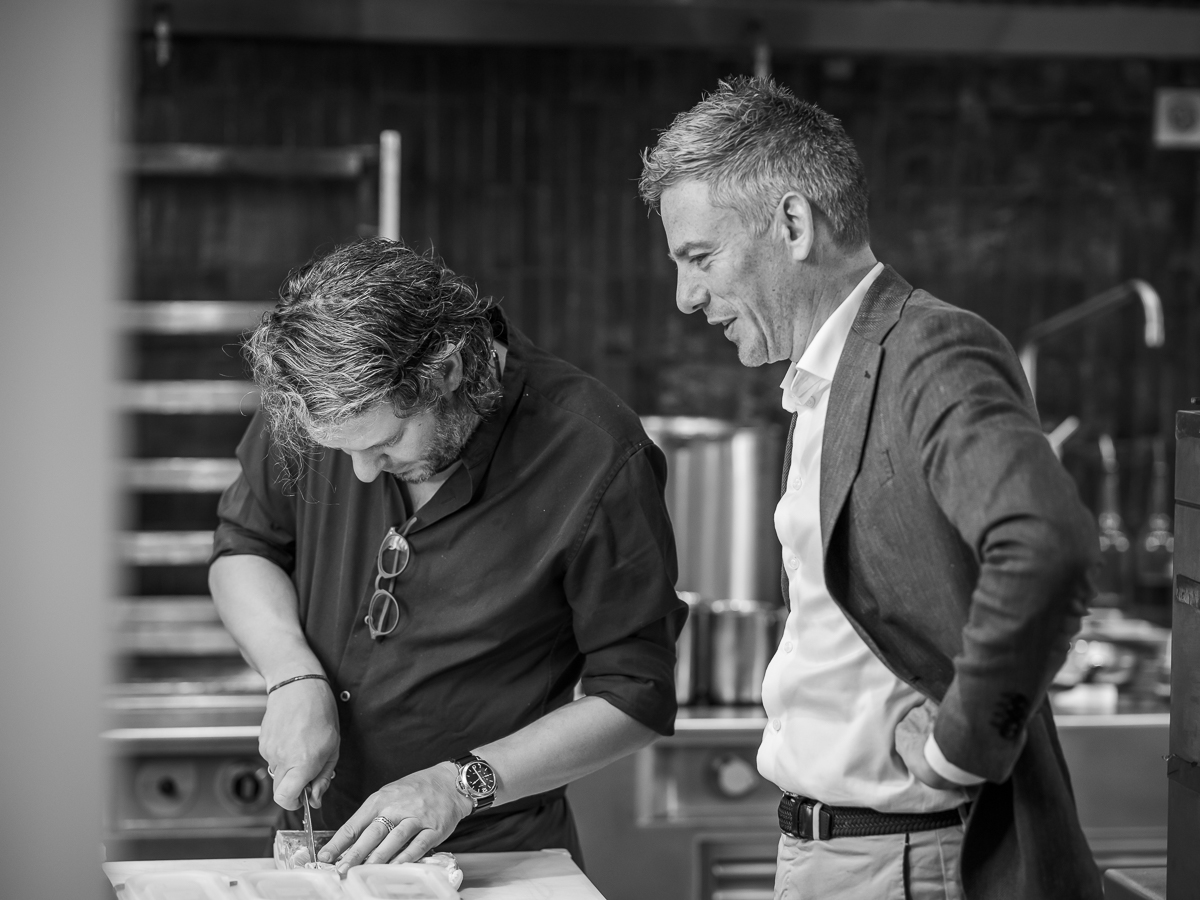
In its citation, Gault&Millau stresses De Mangeleer’s attention to detail, the Japanese affinities visible in his signature dishes at Botanic, and his ability to translate knowledge into different restaurant concepts. The organisation also names Boudens and the teams behind those businesses. That collective dimension matters: this is recognition of a culinary system, not just one kitchen.
Closing at three stars changed the scale of the project
De Mangeleer and Boudens took over the original Hertog Jan near Bruges in 2005. It gained a first MICHELIN star in 2006, a second in 2009 and a third in 2011. The restaurant moved to their farm in Zedelgem in 2014, then served its final guests on 22 December 2018. It closed with all three stars intact.
The decision was unusual because it was made at the height of the restaurant’s recognition, not after a decline. In interviews at the time, De Mangeleer described a desire to stop at the peak, create opportunities for his teams and build a more sustainable business model. The following years show what that meant in practice: the single three-star institution gave way to several distinct formats, while the flagship name was held back for a later return.
A 26-seat flagship inside a grand hotel
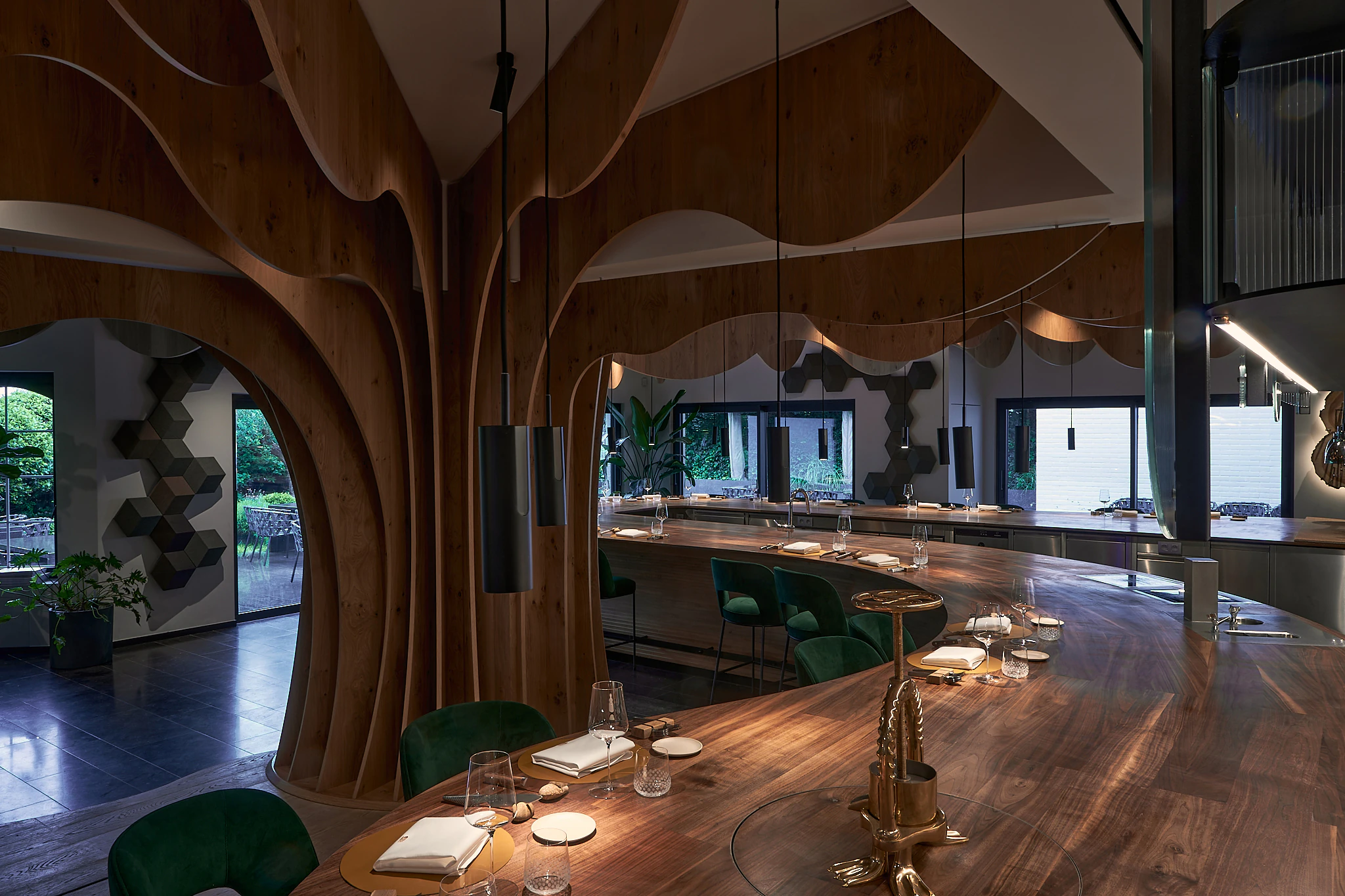
Hertog Jan returned in autumn 2021 at Botanic Sanctuary Antwerp. The current restaurant has 26 seats and, in 2026, opens for two weeks each month. In the 2026 MICHELIN Guide Belgium and Luxembourg it retains two stars. From 2027, the restaurant says it will open more frequently, with lunch on Friday and Saturday and dinner from Tuesday to Saturday outside announced closure periods.
This is not a reconstruction of the former Zedelgem restaurant. The new format is smaller, embedded in a five-star hotel and deliberately selective in its operating rhythm. Its position inside Botanic also gives the group a hospitality platform that extends beyond the dining room. The model concentrates scarcity at the flagship while keeping the wider business active beyond its limited calendar.
The group has become part of the culinary argument
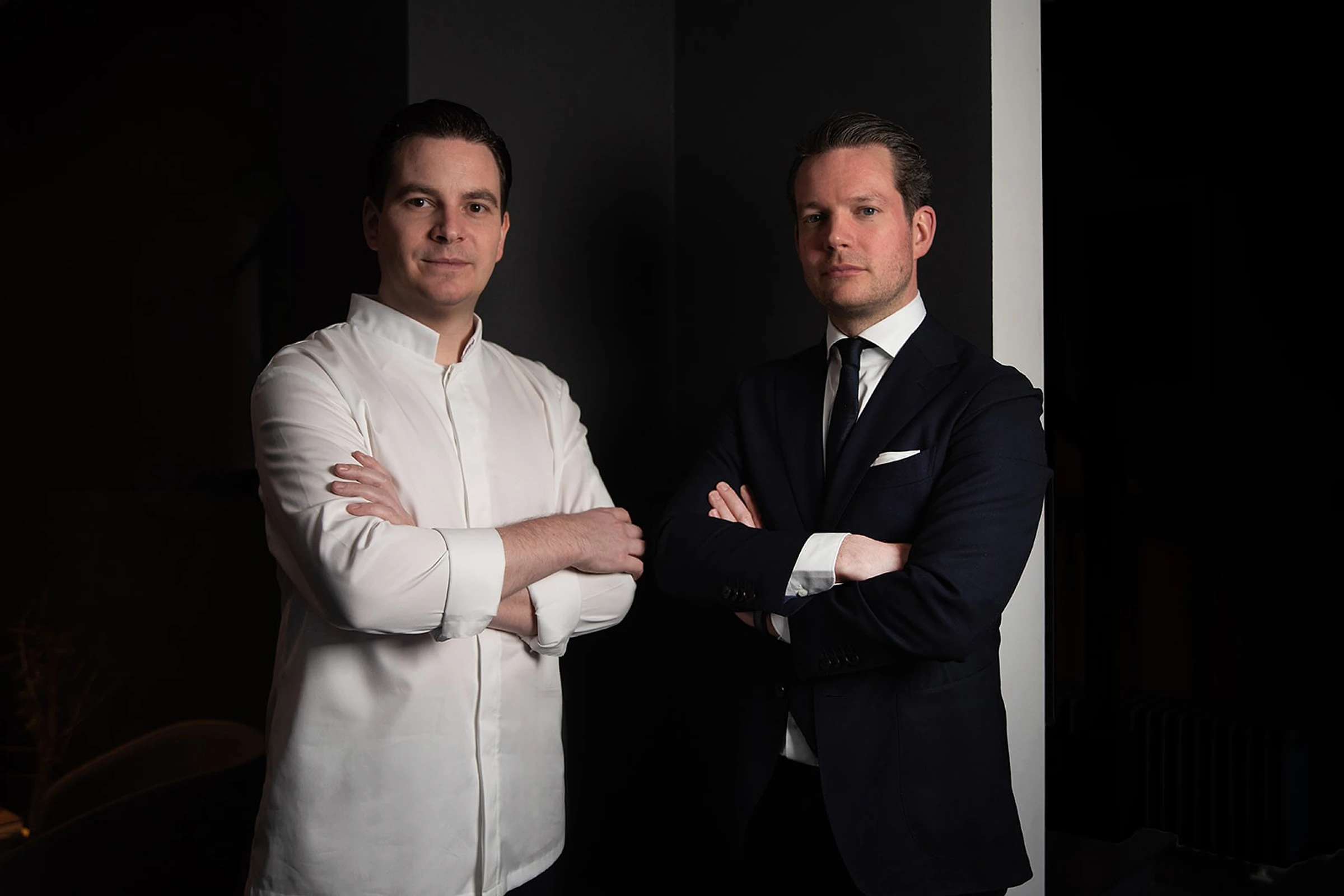
The Hertog Jan Restaurant Group currently presents four brands: Hertog Jan at Botanic, the French-Belgian brasserie Bar Bulot, the sharing-led L.E.S.S. Eatery and Babu, a fast-casual concept built around steamed buns. The formats and service styles differ, but the group places them under the same partnership between De Mangeleer in the kitchen and Boudens in hospitality and wine.
That breadth is the central reason this award deserves attention. It tests whether a chef associated with the most demanding tier of fine dining can extend expertise without turning every address into a diluted replica. Gault&Millau’s citation answers positively; the longer-term judgement will depend on consistency across teams, not on the prestige of the flagship alone.
What the 2027 title ultimately measures
Chef of the Year is not a new MICHELIN distinction, nor does it restore the three stars held by the former restaurant. It recognises a different achievement: De Mangeleer has returned Hertog Jan to the top tier while building an organisation able to operate beyond it. The 18/20 score, two current MICHELIN stars and 26-seat format establish the flagship’s standing; the other concepts explain the guide’s emphasis on influence.
The useful question for 2027 is therefore not whether Hertog Jan can reproduce its past. It is whether the expanded opening rhythm at Botanic and the group’s continued operation can preserve precision, identity and mentorship at the same time. This award marks the model as one to watch; it does not exempt it from that test.