


On 18 September 2026, the Michelin Guide promoted two hotels in southern France from two to three Keys: Château de la Chèvre d’Or in Èze and Le Couvent des Minimes in Mane. The announcement places both properties in the highest tier of Michelin’s hotel distinction.
It would be easy to treat the result as another luxury ranking. A more useful reading starts with what the two hotels share despite their differences: neither can be separated cleanly from its setting. One is dispersed through a medieval village above the Mediterranean; the other has rebuilt a hospitality project around a convent founded in 1613. In both cases, place is not scenery added to the stay. It is part of the product being judged.
What changed on 18 September
Michelin’s 2026 release separates new entrants from promotions. France and Monaco receive 23 newly Keyed hotels—21 at one Key and two at two Keys—while La Chèvre d’Or and Le Couvent des Minimes move upward from two to three. Across the France-and-Monaco selection, Michelin reports 220 Key hotels: 157 at one Key, 38 at two and 25 at three.
The distinction concerns the stay as a whole. Michelin describes one Key as a very special stay, two as exceptional and three as extraordinary enough to justify a journey in itself. That vocabulary matters here: the two promoted properties are not new openings benefiting from launch attention. They are established hotels being reassessed at a higher level.
Èze: a hotel assembled from a village
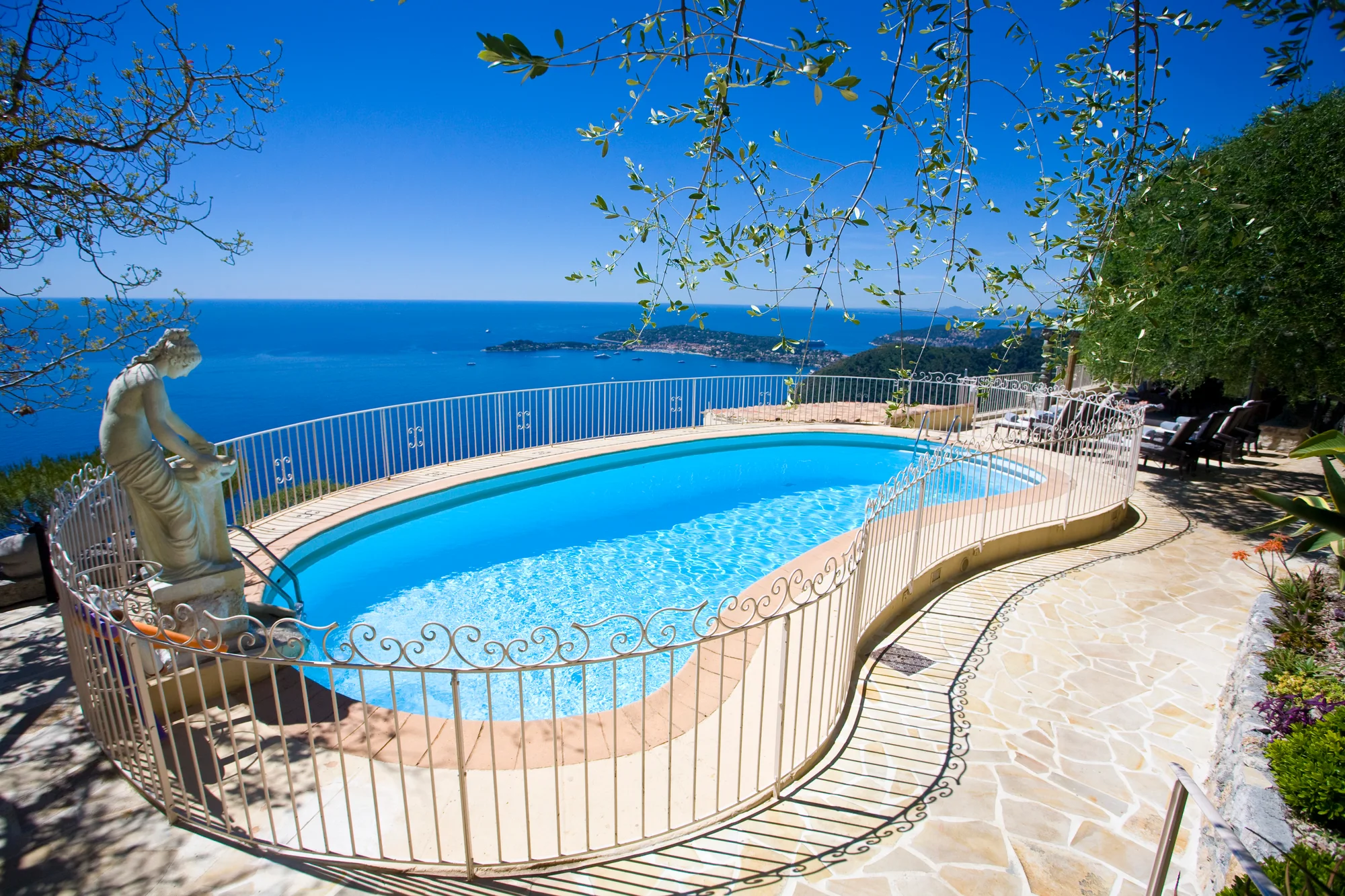
La Chèvre d’Or began its modern hotel story in the 1950s. Its official history explains how the original residence expanded through the acquisition of individual houses in Èze’s medieval fabric. Today its 45 rooms and suites are distributed through that steep network of stone, gardens and terraces rather than contained behind a single conventional façade. Michelin also notes the property’s two-star gastronomic restaurant.
That configuration turns geography into an operating condition. Stairs, changes in level, views and the distance between spaces all shape the stay. They also resist the frictionless logic of a standardised resort. The promotion does not prove that every traveller will prefer that model; it recognises that the property’s identity and its destination are unusually difficult to separate.
Mane: restoration as a hospitality strategy
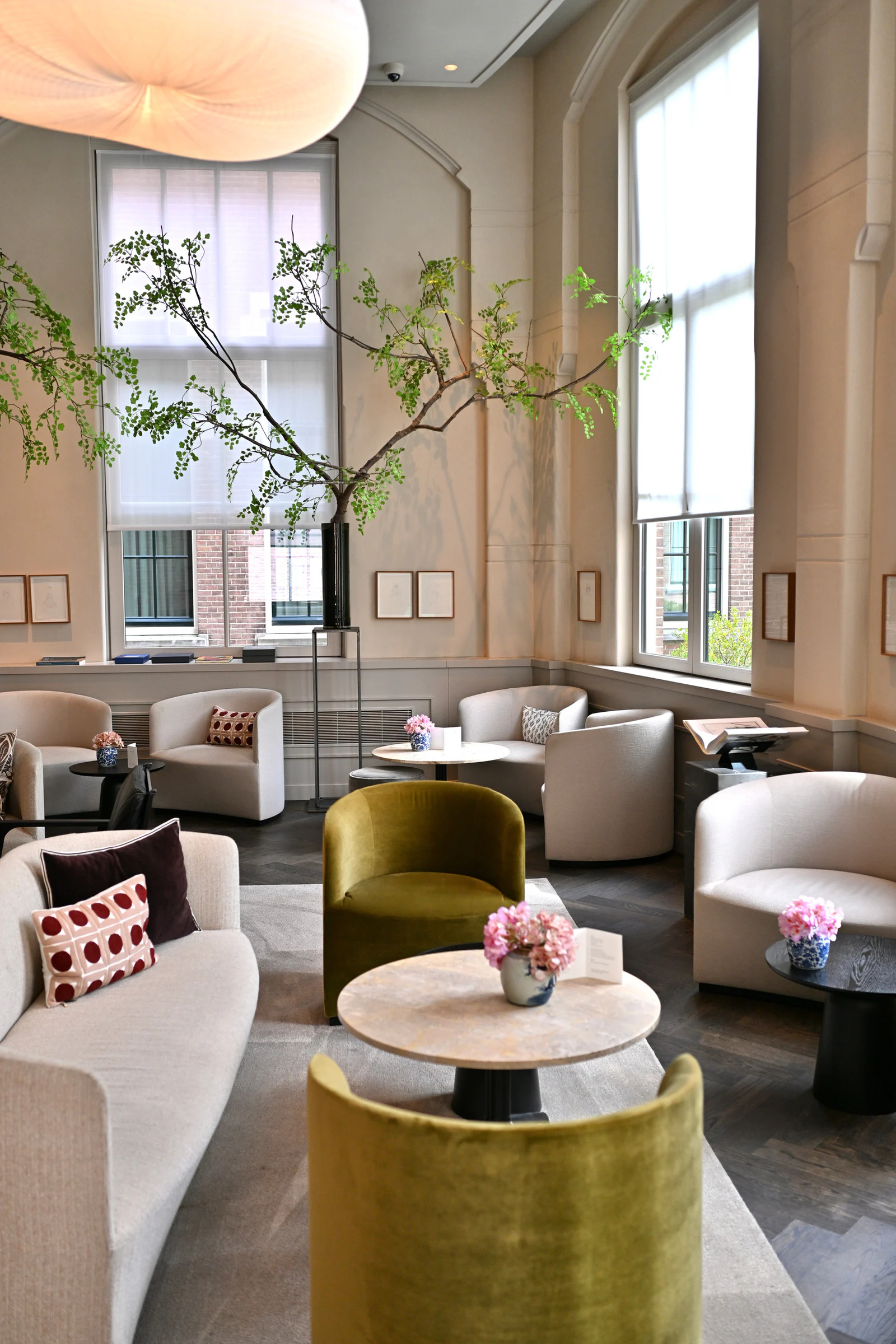
Le Couvent des Minimes works from a different landscape. The property says the former convent dates to 1613 and that its latest renovation was carried out from 2021 to 2023. Its programme combines 49 rooms and suites, gardens, restaurants and a 2,500-square-metre L’Occitane spa. The Michelin Guide lists Le Feuillée, the hotel’s gastronomic restaurant, with one star.
The recent work matters because the hotel is not being rewarded simply for occupying an old building. A historic shell can become theatrical or generic once converted. The more demanding task is to make contemporary comfort, wellness and food service legible without erasing the reason the site was distinctive in the first place. Michelin’s promotion indicates that its inspectors judged that balance at the level of the complete stay.
Why territory counts in the Key system
Michelin says its hotel selection rests on five universal criteria: architecture and interior design; quality and consistency of service, comfort and maintenance; personality and character; value for the price; and a meaningful contribution to the neighbourhood or setting. The last criterion prevents the system, at least in principle, from becoming a spreadsheet of facilities.
The pairing of Èze and Mane makes that criterion unusually visible. La Chèvre d’Or extends through an inhabited hill village; Le Couvent des Minimes reorganises a centuries-old religious site within Haute-Provence. Reading the two promotions as recognition of site-specific hospitality is an editorial inference, not an explanation supplied by the inspectors. It is nevertheless supported by the qualities Michelin itself foregrounds in both descriptions.
A global label with a large commercial field
The scale of the 2026 selection gives the promotions context. Michelin reports 2,832 Key hotels across 79 destinations: 2,020 with one Key, 657 with two and 155 with three. The edition adds 470 newly distinguished hotels, while 18 properties worldwide newly reach the three-Key tier. The France-and-Monaco release counts 220 Key hotels; Italy leads Europe with 224.
Those numbers increase the label’s usefulness as an international filter, but they also require precision. A Key is an editorial distinction within Michelin’s own hotel selection, which is also distributed through a booking platform. It is not a public classification, a forecast of occupancy or an independent measure of local economic impact. Nor does the hotel Key automatically alter the separate Michelin status of a restaurant inside the property.
What the result is useful for
For travellers, three Keys should narrow a search, not end it. Season, access, pace, architecture and price still determine whether a property fits a particular journey. The two French promotions offer sharply different propositions: a vertical Mediterranean hotel threaded through Èze, and a restored Provençal retreat structured around wellbeing and a seventeenth-century site.
The strongest meaning of the 2026 result is therefore not that two more French hotels have entered an abstract elite. It is that Michelin’s highest hotel tier has recognised two businesses whose luxury depends on their inability to be reproduced elsewhere. In a sector skilled at exporting the same codes from one destination to another, that specificity is the more consequential news.